
Common Materials Used in Masonry Installation Projects
People seeking masonry installation often want durable materials like brick, stone, or concrete block, and local contractors can help them choose and install the best options.
Understanding the common materials used in masonry installation projects can provide valuable insights for property owners considering upgrades or new constructions. Whether planning a decorative brick wall, a durable retaining structure, or a classic stone façade, knowing the types of materials involved helps in making informed decisions about longevity, appearance, and maintenance. Local contractors specializing in masonry can offer guidance on selecting the right materials to match the style and functional needs of a property, ensuring the finished work meets both aesthetic and practical expectations.
Exploring these materials also highlights the importance of quality and proper installation techniques, which local masonry service providers are equipped to deliver. By understanding the options available-such as bricks, natural stone, concrete blocks, or mortar-property owners can better communicate their vision and collaborate effectively with experienced professionals. This knowledge encourages a smoother project process and can contribute to results that enhance the property's value and curb appeal.
- Brick Masonry - homeowners planning to build or repair brick walls can rely on local contractors to handle the proper placement and mortar application for durability.
- Concrete Block - projects involving foundation walls or retaining structures often utilize concrete blocks, with local pros ensuring correct alignment and joint filling.
- Natural Stone - when creating aesthetic features or load-bearing walls, local service providers can expertly select and install natural stone materials.
- Brick Veneer - for decorative facades or non-structural walls, local pros can install brick veneer efficiently and with attention to detail.
- Tile and Masonry Units - in areas like fireplaces or outdoor kitchens, local contractors can install tile and masonry units to meet design and structural needs.
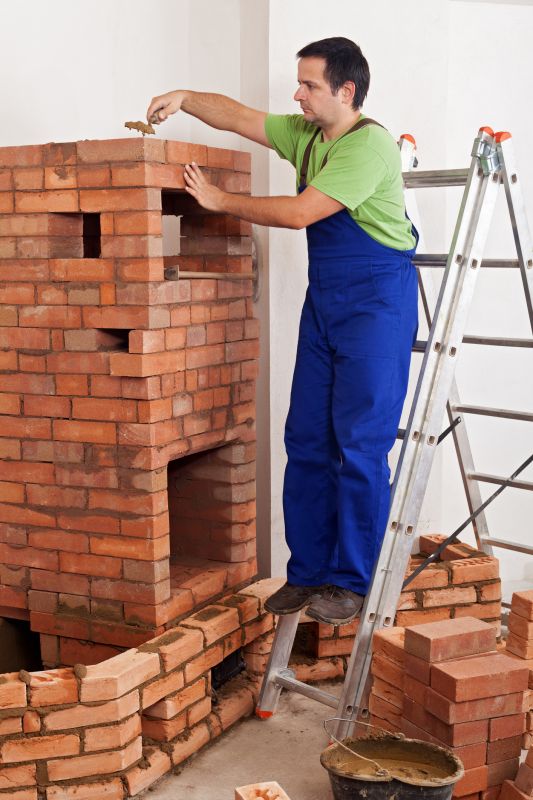
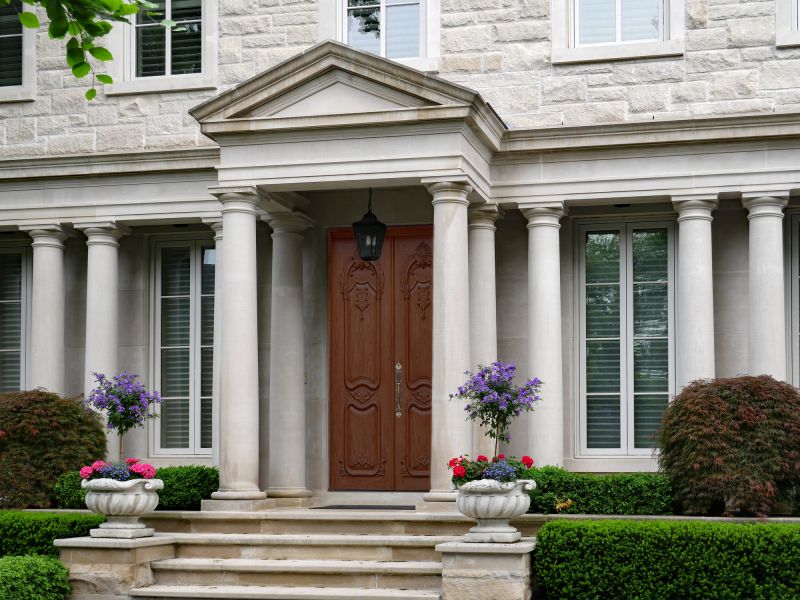
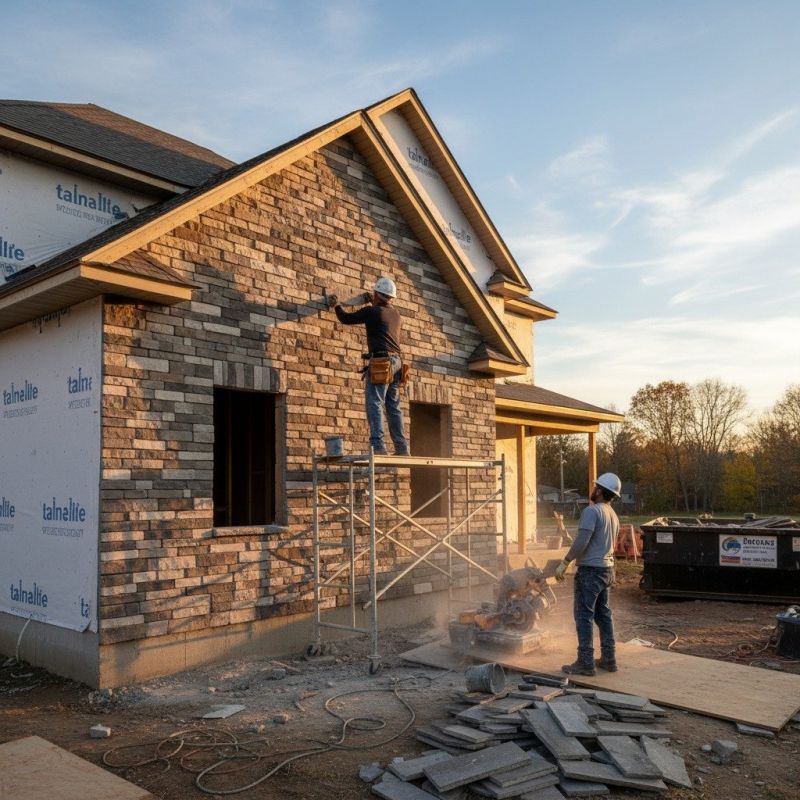
When searching for information on common materials used in masonry installation projects, homeowners often want to understand the types of substances that form the foundation of their desired structures. This topic typically relates to plans for building or renovating features such as patios, walkways, retaining walls, or facades. Knowing what materials are involved helps property owners make informed choices about durability, appearance, and suitability for their specific environment. It also connects to the broader process of selecting qualified masonry contractors who can work with these materials to ensure a solid, long-lasting result.
Problems that often lead homeowners to explore this subject include concerns about weather resistance, structural stability, and aesthetic appeal. For example, choosing the right type of brick or stone can impact a project’s ability to withstand freeze-thaw cycles or heavy loads. Additionally, understanding the common materials used in masonry installation projects can aid in planning for future maintenance or repairs. When homeowners have a clear idea of the materials involved, they can better communicate their needs to local service providers and ensure that the chosen materials align with their property’s specific conditions and their overall design goals.
The types of properties that frequently come up in discussions about masonry materials include residential homes, commercial buildings, and outdoor spaces. In residential settings, materials like brick, concrete block, and natural stone are often used for facades, chimneys, or decorative features. Commercial properties might incorporate larger-scale masonry elements such as precast concrete panels or structural stonework. Outdoor spaces like gardens and driveways often utilize durable materials like concrete pavers or textured stone to handle foot traffic and weather exposure. Understanding the common materials used in masonry installation projects helps homeowners envision how these elements will complement their property’s style and function.
Local masonry installation contractors are experienced in working with a wide range of materials suited to different property types and project needs. They can advise on the best options based on the property’s location, climate, and intended use. Whether selecting traditional brick for a classic look, natural stone for added texture, or concrete blocks for cost-effective structural support, these service providers ensure the materials are properly installed for longevity and performance. By partnering with local pros, homeowners gain access to expert guidance on material choices and skilled craftsmanship that brings their masonry projects to life, ensuring the finished work meets both aesthetic and structural expectations.
Bricklaying projects - these projects require skills in working with common masonry materials like bricks and mortar, similar to other masonry installation tasks.
Stone veneer installation - involves handling natural and manufactured stones, requiring planning and techniques comparable to masonry material installation.
Concrete block wall construction - utilizes concrete blocks and mortar, sharing tools and methods with masonry installation services.
Retaining wall projects - often involve working with concrete or stone materials, demanding similar planning and material handling skills as masonry work.
Fireplace and chimney construction - these projects use masonry materials like bricks and mortar, aligning with common masonry installation practices.
Paving and outdoor surface projects - require knowledge of concrete and stone materials, paralleling the skills used in masonry installation services.
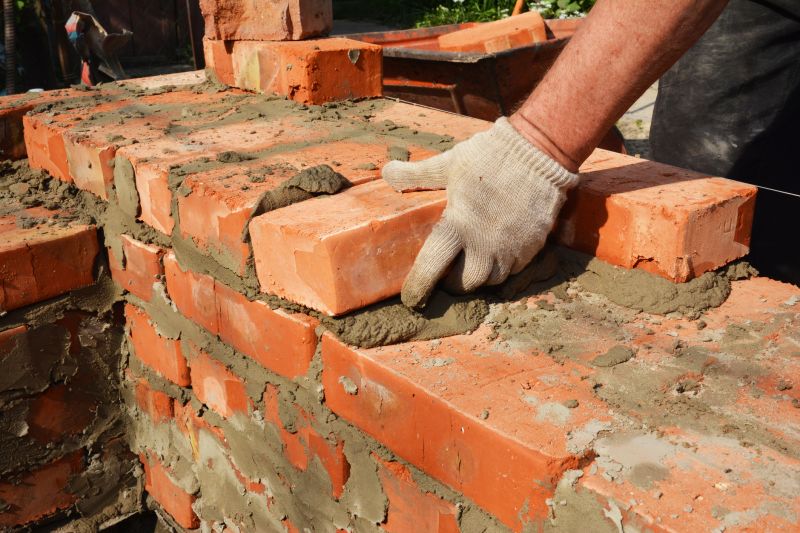
When evaluating local contractors for masonry installation projects, it is important to consider their experience with similar types of work, particularly involving common materials used in masonry projects. A contractor’s background in handling projects with brick, stone, concrete blocks, or other prevalent materials can provide insight into their familiarity with the specific requirements and challenges associated with these materials. Homeowners should inquire about previous projects that resemble their own, ensuring that the service providers have a proven track record of delivering quality work with the materials they plan to use.
Clear communication of expectations is essential when comparing local service providers. Homeowners should seek contractors who provide detailed descriptions of their process, including the types of materials used, preparation methods, and finishing techniques. This clarity helps prevent misunderstandings and ensures that everyone is aligned on project scope. Reputable contractors often offer references or examples of past work, giving homeowners the opportunity to verify the quality of their craftsmanship and the durability of their masonry installations.
Good communication and transparency are key qualities to look for in a service provider. A contractor who listens carefully, answers questions thoroughly, and explains their approach demonstrates professionalism and a commitment to client satisfaction. Establishing open lines of communication early in the process can lead to a smoother project and a better understanding of how common materials in masonry installation projects will be handled. These qualities help homeowners feel confident in their choice of local pros and support a successful outcome for their masonry needs.
Property owners often search for common materials used in masonry installation projects when they are planning practical projects around their homes and businesses. Local pros provide Masonry Installation services for everyday jobs and straightforward project options.
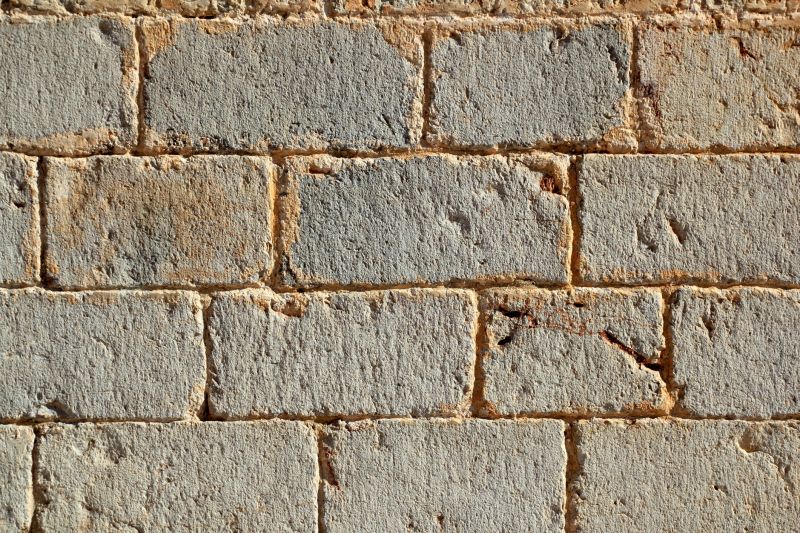
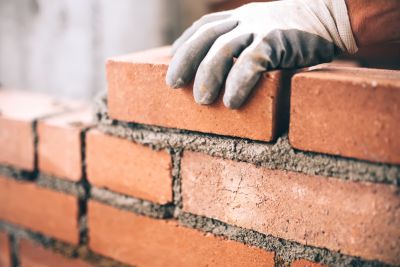
When tackling masonry installation projects around the property, understanding the common materials used can help property owners make informed decisions. Materials such as bricks, concrete blocks, natural stone, and mortar are frequently chosen for their durability, appearance, and suitability for various structural or decorative purposes. Homeowners often look up this topic when planning to build or repair features like patios, retaining walls, or facades, seeking guidance on which materials will best withstand local weather conditions and match the existing aesthetic.
Local contractors specializing in masonry can provide valuable insights into the best materials for each project, ensuring the work meets both functional and visual goals. Whether selecting the right type of brick or mixing mortar correctly, these service providers have the experience to handle the specifics of masonry installation with the common materials used in the area. Property owners interested in quality results often consider consulting local pros to help choose and work with the appropriate materials for their masonry projects.
What are the common materials used in masonry installation projects? Typical materials include bricks, concrete blocks, natural stone, mortar, and sometimes veneer or stucco, depending on the project requirements.
Why is mortar an essential material in masonry work? Mortar acts as a binding agent that holds masonry units together, providing stability, durability, and resistance to weathering.
How do natural stones compare to bricks in masonry projects? Natural stones offer a unique aesthetic and durability, while bricks are more uniform and easier to work with; local contractors can help select the best material for specific needs.
Are there different types of concrete blocks used in masonry installations? Yes, there are various types such as solid, hollow, and aerated concrete blocks, each suited for different structural or aesthetic purposes.
Can other materials be incorporated into masonry projects? Yes, materials like veneer, stucco, or decorative stone can be used to enhance appearance and functionality, with local service providers able to advise on options.
Bricks and concrete blocks - These durable materials are ideal for constructing walls and facades, and local contractors can help select the right type for specific projects.
Mortar mixes - Proper mortar ensures stability and adhesion in masonry work, with local pros providing expertise on mixing and application techniques.
Natural stones - Using natural stones can add aesthetic appeal to outdoor features like patios and garden walls, with service providers assisting in sourcing and installation.
Reinforcing materials - Items such as steel reinforcement bars strengthen masonry structures, and local contractors can incorporate these materials for enhanced durability.
If you are thinking about common materials used in masonry installation projects for a property, this guide is meant to help you understand this topic, the typical project types, and how different options might fit your plans.
When you are ready, you can use the quote form on this page to share a few details about your project. From there, local pros can review the basics and follow up with options that match what you have in mind.